Skip to Content
COVID-19 Response and Update

Factors of medicine accessibility

Knowledge

The more everyone knows about a condition and related medicines, the better they will be able to treat it

Without adequate knowledge of a condition or treatment, even the most innovative therapies can fail to achieve their intended outcomes.

For many patients, challenges begin the moment a prescription is written. When patients do not fully understand why they have been prescribed a medication, how to take it, or what side effects to anticipate, adherence becomes far more difficult.

Without clear instructions, culturally appropriate counseling, or coordinated communication between prescribers, pharmacists, and caregivers, individuals can quickly become overwhelmed. They may stop treatment prematurely, take incorrect doses, or never begin therapy at all. In fact, approximately 50% of patients do not take their medications as prescribed, and over time studies have found that over long follow-up periods in some conditions 80%–100% of patients discontinue treatment altogether. These gaps have serious consequences. Medication nonadherence in the U.S. is linked to an estimated 125,000 preventable deaths each year and costs the U.S. just under 300 billion dollars in avoidable healthcare costs.

Sustained patient support is just as important as initial counseling in driving strong, long-term treatment adherence. Supporting patients with the knowledge they need for successful treatment takes many forms and does not need to be complex. For example, patient advocacy groups, whether it be small and volunteer-based, or hosted by a large charity, provide beneficial education and community resources that help patients and families navigate treatment. Additionally, multichannel communication, such as pharmacist phone calls, nurse emails, or text-based reminders help meet patients where they are and reinforces ongoing engagement with care. By recognizing knowledge as a core component of accessibility, we can work to close critical gaps that surround successful treatment completion today.

Medication non-adherence annually costs the U.S. nearly

$300,000,000,000

Source: Exploratory Research in Clinical and Social Pharmacy, Volume 15

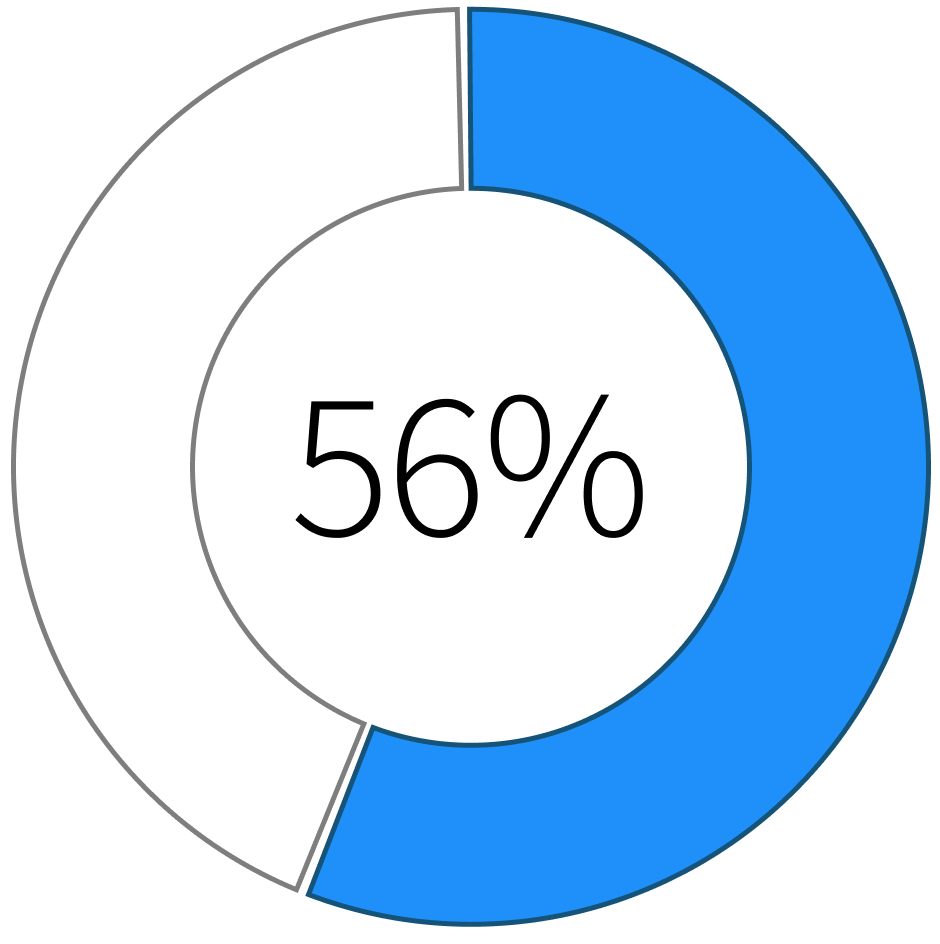
Proportion of patients who misunderstood at least one side effect on their medication labels
Preventable deaths and hospitalizations annually due to nonadherence

80% of patients do not take their medications as prescribed
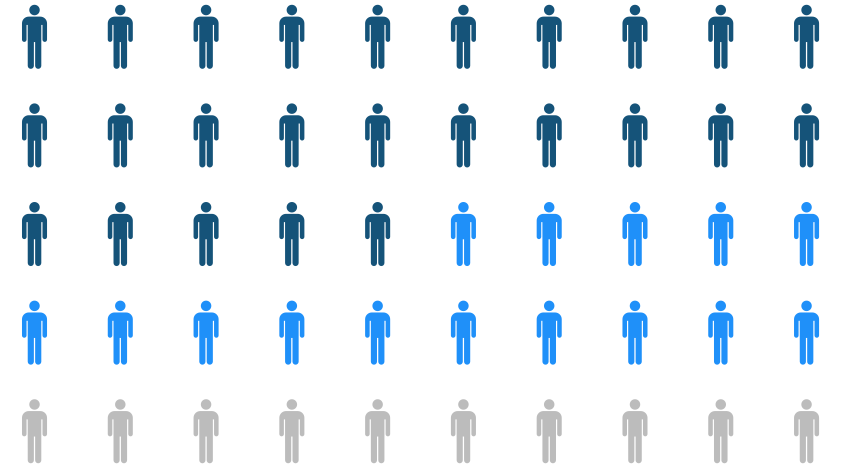
Do not take medications as prescribed
Fail to fill their first prescription
Take their medication as prescribed

Source: The Permanente Journal

It’s important to recognize that while an individual’s health is always a private matter, knowledge of conditions and appropriate treatments should be as widespread as possible and flow seamlessly between providers, patients, loved ones, and the broader community. The more everyone is able to understand and communicate, the more we all will be able to better understanding the true needs and potential solutions for real people everywhere.
Key drivers of treatment knowledge

Knowledge is driven by educational resources for both patients and providers

01

Provider engagement & enablement

The education, tools, and system resources available to healthcare providers to understand treatment options, coverage requirements, and access pathways, enabling informed clinical decisions and efficient navigation of administrative processes

02

Patient education & navigation support

The information and support available to help diagnosed patients understand their condition, treatment options, and access requirements, including education, coverage guidance, and navigation resources that reduce confusion and friction across the care journey

03

Public awareness & discovery

The information and public-facing resources available to raise awareness of diseases and treatment options, enabling individuals to recognize symptoms, explore care options, and seek treatment

Share your thoughts
Have you faced any of these barriers to knowledge in the last five years?
Thank you! Your vote has been tallied.

Amneal’s commitment to medicine knowledge sharing

Empowering patients, providers, and partners

Amneal is committed to strengthening knowledge and support across the treatment journey so patients and providers can make informed decisions with confidence. Through Amneal PATHways® and Amneal's Patient Assistance Programs, we help simplify the complexities of treatment access, coverage, and adherence by offering coordinated guidance, reimbursement support, and access resources for certain products in one integrated program.

By reducing administrative friction and improving transparency, Amneal enables clinicians to focus on care while helping patients stay informed, supported, and on their prescribed treatment path.

The information presented in this Accessibility Index is compiled from publicly available sources believed to be reliable at the time of publication. However, Amneal makes no representations or warranties, express or implied, regarding the accuracy, completeness, or timeliness of the data provided. The content is for informational purposes only and does not constitute professional advice or endorsement.

The views and opinions expressed in this index do not necessarily reflect those of Amneal, its affiliates, or its employees. Amneal disclaims any liability for any decisions made or actions taken based on the information contained herein.

This index is intended to support awareness and understanding of medicine accessibility and is not a substitute for professional consultation or regulatory guidance. Users are encouraged to verify information independently and consult appropriate experts before making decisions.

By using this site, you acknowledge and agree to these terms.