Skip to Content
COVID-19 Response and Update

Factors of medicine accessibility

Availability

Even the most effective, affordable treatments can’t help anyone if they aren’t available

At its core, availability is dependent on whether medications are reliably manufactured and efficiently distributed. Even in the United States, availability remains a fragile link in the access chain. Most active ingredients are produced by only a few facilities. A single factory shutdown — whether driven by capacity constraints, quality failures, or regulatory action — can cascade across the nation, leaving hospitals and pharmacies scrambling for supply. And many patients live in “pharmacy deserts” where getting a medication may take hours of travel. In these moments, a medication may be technically approved, clinically appropriate, and even affordable, but still functionally out of reach.

These system failures show up in very personal ways for patients and clinicians. It might look like: a parent calling multiple pharmacies to track down ADHD medication for a child; an oncologist forced to alter a chemotherapy regimen because a foundational drug is unavailable. These disruptions erode trust in the health system and carry real clinical consequences: delayed treatment, compromised patient care, increased medication errors, and preventable hospitalizations. For many patients, especially those managing chronic or complex conditions, a missed refill or abrupt therapy switch can mean the difference between stable health and clinical deterioration.

Notably, federal assessments show that roughly one-third of recent U.S. drug shortages involve essential medicines, with low-cost generics being the most vulnerable. When manufacturing becomes financially unsustainable, producers may scale back or exit the market entirely, leaving clinicians and patients without reliable therapeutic options. Among these, low-cost sterile injectables make up a disproportionate share of shortages. These are the critical medicines used daily in operating rooms, intensive care units, and oncology clinics—settings where any delay or substitution can have life-threatening consequences. And when these essential injectables fall into shortage, the disruptions last far longer than average, often persisting four years or more.

Americans who live in “pharmacy deserts” where filling a prescription requires a lengthy drive

48,400,000

Source: GoodRx

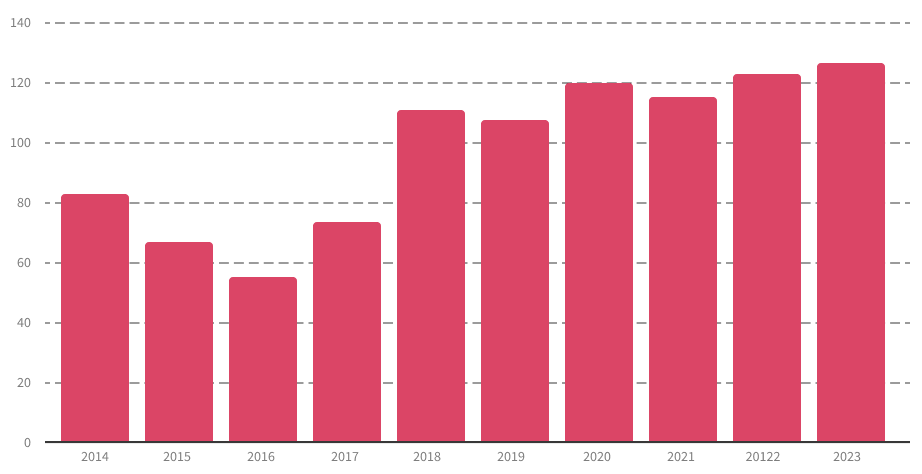
Drug shortages in the US have increased over the past decade

Source: U.S. Pharmacopeia

Drugs on the active shortage list in 2025

Proportion of drugs in shortage that are generics

45% of U.S. counties are pharmacy deserts
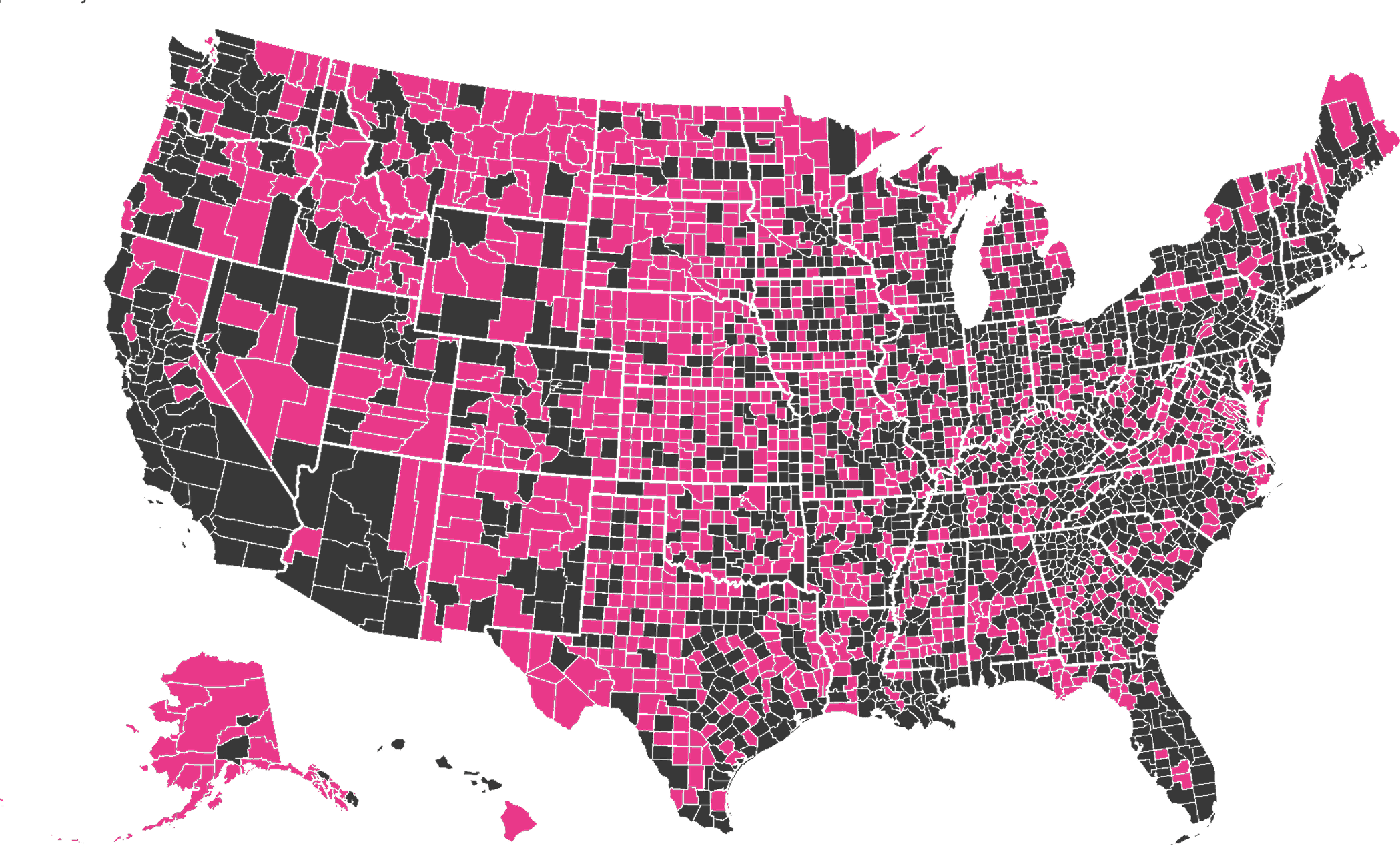
The 1,423 U.S. counties, designated as pharmacy deserts, where residents must drive more than 15 minutes to reach a local pharmacy.
Remaining
map

Source: GoodRx

These statistics underscore just a few of the real issues people face relative to availability, and the impact that even one of these issues can have in terms of access.

When thinking about availability, we must consider the full ecosystem. Without resilient manufacturing, diversified supply chains, and equitable distribution, essential medicines often fail to reach the people who need them most regardless of insurance coverage or clinical need, underscoring how availability remains a core access issue.

Key drivers of accessibility

Availability can be affected by a number of resilience points across the supply chain

01

Manufacturing capacity, quality, and redundancy

The ability to produce sufficient, high-quality supply at scale through scalable manufacturing capabilities, rigorous quality controls, and redundant production sites that protect against disruptions, recalls, or unexpected surges in demand

02

Supply chain resilience

The robustness of sourcing, logistics, and distribution systems to withstand disruptions, adapt to variability, and recover quickly without interrupting patient access

03

Formulation flexibility

The availability of approved formulations that support different patient needs, administration settings, and clinical requirements, enabling use across a range of care contexts

04

Geographic distribution and coverage

The extent to which therapies are distributed across regions, countries, and care settings, ensuring consistent availability where and when patients need them

Share your thoughts
Have you experienced any of these impacts from drug shortages?
Thank you! Your vote has been tallied.

Stories of accessibility: Abby Bray

What happens when a lifesaving cancer drug isn’t available

Availability failures can mean the difference between life and death for many families. In 2018, a young girl named Abby Bray was diagnosed with acute lymphoblastic leukemia, and her care team stressed that every dose of chemotherapy had to be given on time to give her the best chance at survival. She began treatment with PEG‑asparaginase but had a severe allergic reaction and was switched to Erwinaze, a last‑resort alternative. When her family arrived for a scheduled Erwinaze infusion in 2019, they were told the hospital could not treat her because the drug was in national shortage due to manufacturing issues.

Abby’s mother, Laura Bray, then entered a desperate logistical race, calling children’s hospitals across the United States until she eventually found doses at a distant facility willing to share its stock so Abby could continue treatment. The tumultuous experience led Laura to start the nonprofit Angels for Change, which helps other patients facing life‑threatening drug shortages. This case underscores the stark reality that when supply chains fail, essential therapies can disappear from reach just when patients need them most.

Amneal’s commitment to medicine availability

Focusing on the details that drive quality and resiliency

Amneal is committed to improving the availability of essential medicines by building a reliable, resilient supply chain that patients and providers can depend on. We invest in manufacturing, quality, and distribution capabilities designed to reduce disruptions and help ensure medicines are available when and where they are needed.

By strengthening supply continuity and supporting broad pharmacy access, Amneal works to help clinically appropriate treatments reach patients without unnecessary delay.

The information presented in this Accessibility Index is compiled from publicly available sources believed to be reliable at the time of publication. However, Amneal makes no representations or warranties, express or implied, regarding the accuracy, completeness, or timeliness of the data provided. The content is for informational purposes only and does not constitute professional advice or endorsement.

The views and opinions expressed in this index do not necessarily reflect those of Amneal, its affiliates, or its employees. Amneal disclaims any liability for any decisions made or actions taken based on the information contained herein.

This index is intended to support awareness and understanding of medicine accessibility and is not a substitute for professional consultation or regulatory guidance. Users are encouraged to verify information independently and consult appropriate experts before making decisions.

By using this site, you acknowledge and agree to these terms.