Skip to Content
COVID-19 Response and Update

Factors of medicine accessibility

Affordability

Medication cost is the leading reason prescriptions go unfilled in the U.S.*

Source: GoodRx

Simply put, when cost becomes a barrier, care stops. It is a key predictor of whether a patient will start treatment and whether they will stay on it. Sudden insurance changes, high out-of-pocket costs, and unclear or shifting coverage rules can make the difference between a therapy being within reach or effectively impossible to start or maintain. Even small increases in cost burden can reduce adherence, widen inequities, and push manageable chronic conditions into crisis. When affordability breaks down, clinically appropriate prescriptions turn into abandoned treatment plans.

For too many Americans, affordability concerns often force them to make impossible tradeoffs between basic necessities like food and shelter and essential medicines for themselves or their families. This is exacerbated by a complex healthcare system that often lacks transparency around how medicines are priced and what patients are ultimately expected to pay.

Americans leave their prescription at the pharmacy every month, mainly due to cost:

46,000,000

Source: GoodRx

More than half of adults in America say they have not filled or taken full prescription dosage because of the cost

Did not fill a prescription
Cut pills in half or skipped doses
Took an over-the-counter drug instead
Remaining

Source: Kaisr Family Fundation

Proportion of Americans who filled a prescription in 2025 who said it created at least a minor financial burden
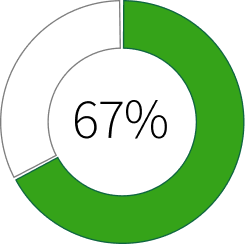
Proportion of adults who say they skipped or postponed getting health care they needed because of the cost in the past year
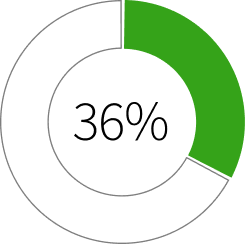
Source: GoodRx

There has been much debate and scrutiny around prices that drug manufacturers set, and that is an important consideration. But there are also several other forces that can have a huge impact on determining a patient’s actual cost, including intermediary costs, insurance coverage, and regulations. Together, these elements reveal where barriers emerge, where support is needed, and where targeted interventions can reduce financial strain and help keep treatments within reach.

Key drivers of affordability

Affordability is driven by a range of costs and benefits along the way to the patient

01

Manufacturing costs

The price set by manufacturers based on R&D, raw materials, labor costs, manufacturing complexity, regulatory requirements, logistics, overhead, and competitive market dynamics

02

Intermediary costs

The fees, rebates, and incentives introduced by organizations that negotiate, manage, distribute, and dispense medications—such as PBMs, wholesalers, and specialty pharmacies—shaping the gap between list price, net price, and patient out-of-pocket cost

03

Payor coverage and benefit design

How insurers and government programs (including Medicare and Medicaid) determine drug coverage, formulary placement, utilization controls, and patient cost-sharing requirements

04

Patient support programs

Manufacturer-, nonprofit-, or government-run assistance that reduces patient costs through copay support, free or discounted medication, grants, or care and access navigation

05

Policy and reimbursement environment

The federal and state rules that govern drug pricing and access, including Medicare negotiation and inflation penalties, Medicaid rebates, and coverage and reimbursement requirements

Share your thoughts
Have you faced any of these barriers to medicine affordability in the last five years?
Thank you! Your vote has been tallied.

Accessibility feature

What goes into the cost a medication?

The cost of any medication is shaped by multiple components across the healthcare ecosystem—not just the medicine itself. The following breakdown highlights how investments in research and development, manufacturing, supply chain, insurance dynamics, and administrative and system-level costs all contribute to the final price patients encounter at the pharmacy.

The cost of any medication is shaped by multiple components across the healthcare ecosystem—not just the medicine itself. The following breakdown highlights how investments in research and development, manufacturing, supply chain, insurance dynamics, and administrative costs all contribute to the final price patients encounter at the pharmacy.

The cost of any medication is shaped by multiple components across the healthcare ecosystem—not just the medicine itself. The following breakdown highlights how investments in research and development, manufacturing, supply chain, insurance dynamics, and administrative costs all contribute to the final price patients encounter at the pharmacy.

The cost of any medication is shaped by multiple components across the healthcare ecosystem—not just the medicine itself. The following breakdown highlights how investments in research and development, manufacturing, supply chain, insurance dynamics, and administrative costs all contribute to the final price patients encounter at the pharmacy.

The cost of any medication is shaped by multiple components across the healthcare ecosystem—not just the medicine itself. The following breakdown highlights how investments in research and development, manufacturing, supply chain, insurance dynamics, and administrative costs all contribute to the final price patients encounter at the pharmacy.

~15 - 25% R&D & clinical development

  • Basic research and discovery to identify new targets and therapies
  • Pre-clinical studies to evaluate safety and biological activity
  • Phase I–III clinical trials to establish safety, efficacy, and appropriate use
  • Post-marketing studies and ongoing safety monitoring required after approval
  • The cost of scientific risk, as most drug candidates never reach patients
  • Capital costs associated with long development timelines, often spanning a decade or more

The cost of any medication is shaped by multiple components across the healthcare ecosystem—not just the medicine itself. The following breakdown highlights how investments in research and development, manufacturing, supply chain, insurance dynamics, and administrative and system-level costs all contribute to the final price patients encounter at the pharmacy.

~20–30% Raw materials, manufacturing & quality assurance

  • Sourcing of active pharmaceutical ingredients and other raw materials
  • Drug formulation, production, filling, and packaging
  • Quality testing, batch validation, and regulatory compliance
  • Facility operations, maintenance, and inspections to ensure consistent supply

The cost of any medication is shaped by multiple components across the healthcare ecosystem—not just the medicine itself. The following breakdown highlights how investments in research and development, manufacturing, supply chain, insurance dynamics, and administrative costs all contribute to the final price patients encounter at the pharmacy.

~10-15% Supply chain, logistics & distribution

  • Warehousing and inventory management across the supply network
  • Transportation to pharmacies, hospitals, and care sites
  • Cold-chain handling for temperature-sensitive medicines
  • Distribution partnerships that support timely, reliable access

The cost of any medication is shaped by multiple components across the healthcare ecosystem—not just the medicine itself. The following breakdown highlights how investments in research and development, manufacturing, supply chain, insurance dynamics, and administrative costs all contribute to the final price patients encounter at the pharmacy.

~25–35% Insurance, PBM’s, rebates & administrative overhead

  • Negotiations with insurers and pharmacy benefit managers (PBMs)
  • Rebates, discounts, and fees required for formulary placement
  • Claims processing, billing, and coverage administration
  • System complexity that influences patient out-of-pocket costs

The cost of any medication is shaped by multiple components across the healthcare ecosystem—not just the medicine itself. The following breakdown highlights how investments in research and development, manufacturing, supply chain, insurance dynamics, and administrative costs all contribute to the final price patients encounter at the pharmacy.

~15-25% Selling, General, and Administrative (SG&A) & profit

  • Regulatory, compliance, and medical affairs support
  • Pharmacovigilance to ensure medicines remain safe and effective after they're on the market, safety reporting, and medical information services
  • Operational, customer, and commercial infrastructure
  • Profit that supports reinvestment in manufacturing, quality, and future innovation

The cost of any medication is shaped by multiple components across the healthcare ecosystem—not just the medicine itself. The following breakdown highlights how investments in research and development, manufacturing, supply chain, insurance dynamics, and administrative costs all contribute to the final price patients encounter at the pharmacy.

1 Costs of Drug Development and Research and Development Intensity in the US, 2000-2018, JAMA network open

2 Analysis of Manufacturing Costs in Pharmaceutical Companies, Springer Nature Link

3 Factors Impacting Pharmaceutical Prices and Affordability: Narrative Review, Pharmacy (Basel, Switzerland)

4 Assessing postsale rebates for prescription drugs in Medicare Part D, MedPAC.gov

5 How Did the Public U.S. Drugmakers’ Sales, Expenses and Profits Change Over Time?, USC Leonard D. Schaeffer Institute for Public Policy & Government Service

Stories of accessibility: Cole Schmidtknecht

Facing a 700% increase overnight

In January of 2024, 22-year-old Cole Schmidtknecht went to a Walgreens in Appleton, Wisconsin to refill his long-standing steroid medication for asthma. At the counter, he learned that changes within the pharmacy benefit system had increased the price of Cole's daily asthma medication from around $35 to over $500 — a sudden 700%+ price increase. He was told that no generic drug would be covered by his insurance, and Cole was forced to choose between his medication and his rent. He chose to pay his rent and left without it.

Five days later, Cole suffered a severe asthma attack that led to cardiac arrest and passed away. His case has become a stark example of how affordability failures can have fatal consequences. His family is now pursuing legal action, arguing that neither the pharmacy nor the pharmacy benefit manager provided notice, alternatives, or available workarounds for Cole’s health. Cole’s story highlights a critical truth: when coverage shifts unexpectedly and essential medications become financially out of reach, patients pay the price with their health—and, in some cases, their lives.

Amneal’s commitment to medicine affordability

From our founding purpose to our driving force

Chintu Patel was a pharmacist who started Amneal with his brother Chirag because he had seen too many customers struggling to choose between paying for essential medicines or food, and they set out to help make high-quality medicines more affordable.

Today, Amneal continues its commitment to improving affordability by developing more and more complex generics, biosimilars, injectables, specialty medicines and delivery formats covering a broad range of indications. To further lower barriers to access, Amneal offers a range of Patient Support Programs, including our Patient Assistance Program which helps eligible individuals receive free medication for up to one year. Through these efforts, we work to ensure that clinically appropriate treatments remain within reach for the people who rely on them.

The information presented in this Accessibility Index is compiled from publicly available sources believed to be reliable at the time of publication. However, Amneal makes no representations or warranties, express or implied, regarding the accuracy, completeness, or timeliness of the data provided. The content is for informational purposes only and does not constitute professional advice or endorsement.

The views and opinions expressed in this index do not necessarily reflect those of Amneal, its affiliates, or its employees. Amneal disclaims any liability for any decisions made or actions taken based on the information contained herein.

This index is intended to support awareness and understanding of medicine accessibility and is not a substitute for professional consultation or regulatory guidance. Users are encouraged to verify information independently and consult appropriate experts before making decisions.

By using this site, you acknowledge and agree to these terms.